

Table of Contents
ToggleIntroduction - Why Good Content Fails Without the Right Keywords?
Most beginners believe that:
“If I write helpful content, Google will rank it.”
That sounds logical – but it’s incomplete.
The real reason of most blogs fail is not for content quality; also, it’s for wrong keyword selection. Beginners usually target keywords that are:
- Too competitive in Searches
- Dominated by big websites
- Impossible to rank for in the first year
This is why learning how to find low competition keywords is one of the most important SEO skills for beginners.
In this guide, as per my Experience I will show you a simple, realistic process to find keywords that your blog actually has a chance to rank for – without expensive tools or guesswork.
Finding low competition keywords becomes much easier when you first choose a clear and focused blogging niche.
What Are the Low Competition Keywords? (Simple Explanation)
Low competition keywords are the keywords that has low search in internet, you can understand that are search terms where:
- Big authority sites are not dominating results
- Content quality in top results is average or weak
- Search intent is clear
- New or small blogs can realistically compete
These keywords are usually:
- Long-tail (3–6 words)
- Specific, not broad in nature
- Less attractive to big brands
Ranking for many small keywords is far more powerful than chasing one big keyword.
Why Low Competition Keywords Are Perfect for Beginners?

As a new blogger, you have a new website that has:
- Low domain authority
- Few or no backlinks
- Limited Google trust
This is normal. But in this case Low competition keywords help you because they:
- Rank faster
- Bring targeted visitors
- Build SEO confidence
- Help Google trust your site over time
As per my opinion Almost every successful blog should start with low competition keywords for easy wins. low competition keywords rank faster and motivate you because of its quick ranking.
Low competition keywords perform best when your content is written in an SEO-friendly way that matches search intent and structure.
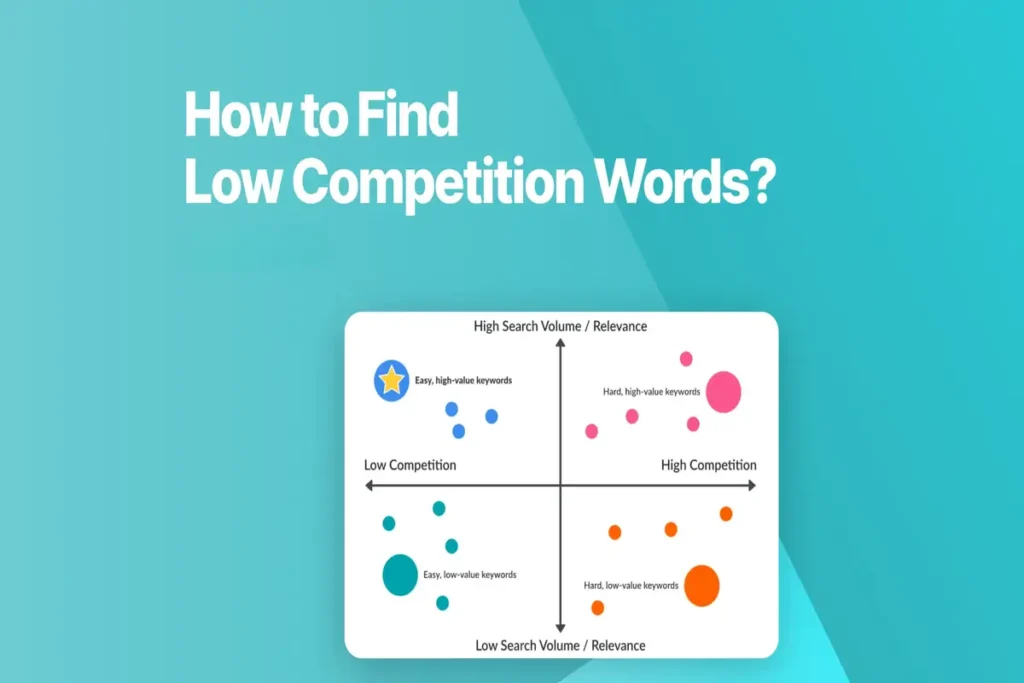
High Competition vs Low Competition Keywords (Clear Comparison)
Factor | High Competition Keywords | Low Competition Keywords |
Who ranks | Big brands | Small blogs |
Difficulty | Very high | Low to medium |
Time to rank | 6–12 months | 1–3 months |
Beginner friendly | ❌ No | ✅ Yes |
Conversion | Often low | Often high |
Beginners should always prioritize low competition keywords first.
When website rank on googles then they can mix low with high competitor keywords for better result.
Step 1: Start With a Simple Seed Keyword
A seed keyword is the base topic of your content. It gives a complete idea about your topic. It doesn’t rank directly but it generates ideas for your content that helps you for ranking.
For Examples:
- blogging
- freelancing
- make money online
- Seo tips
Do not overthink this step. Seed keywords can very helpful for you to
generate ideas, not to rank directly.
Step 2: Use Google Search (Free and Extremely Powerful)
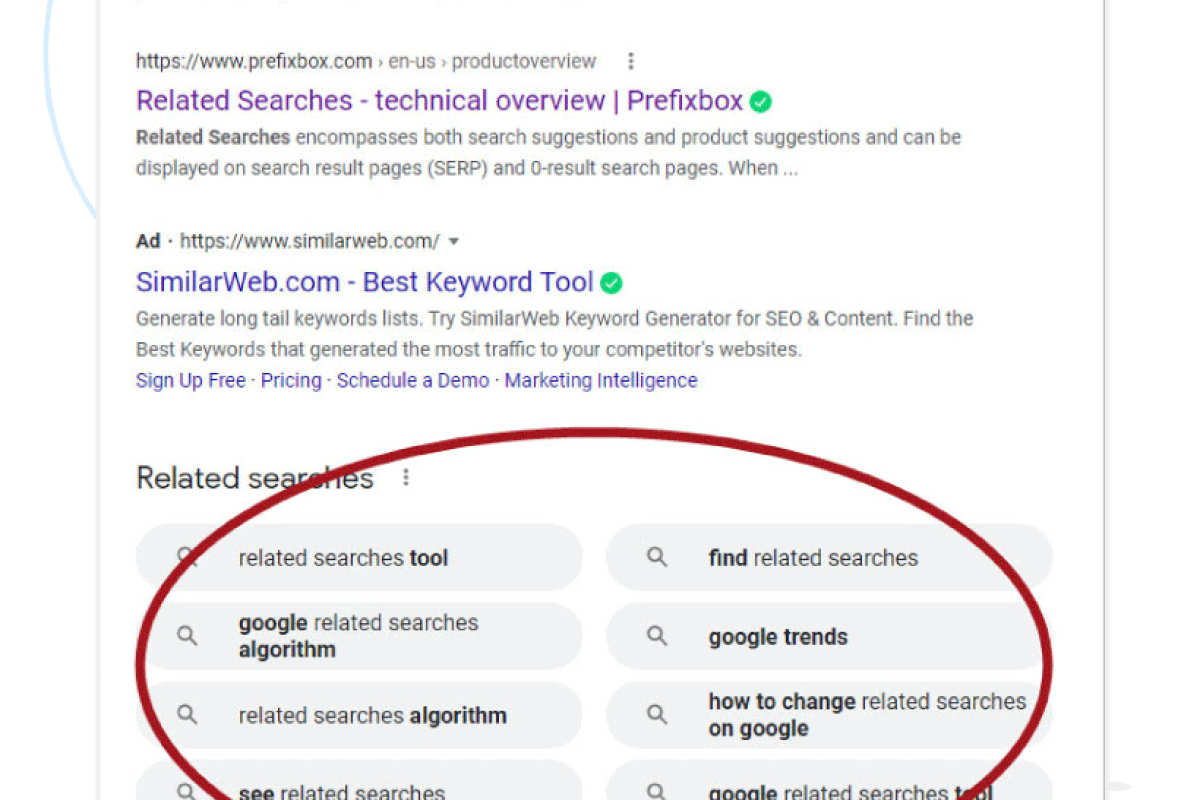
Google itself is one of the best keyword research tools.
Use:
- “People Also Ask” section
- “Searches related to” at the bottom
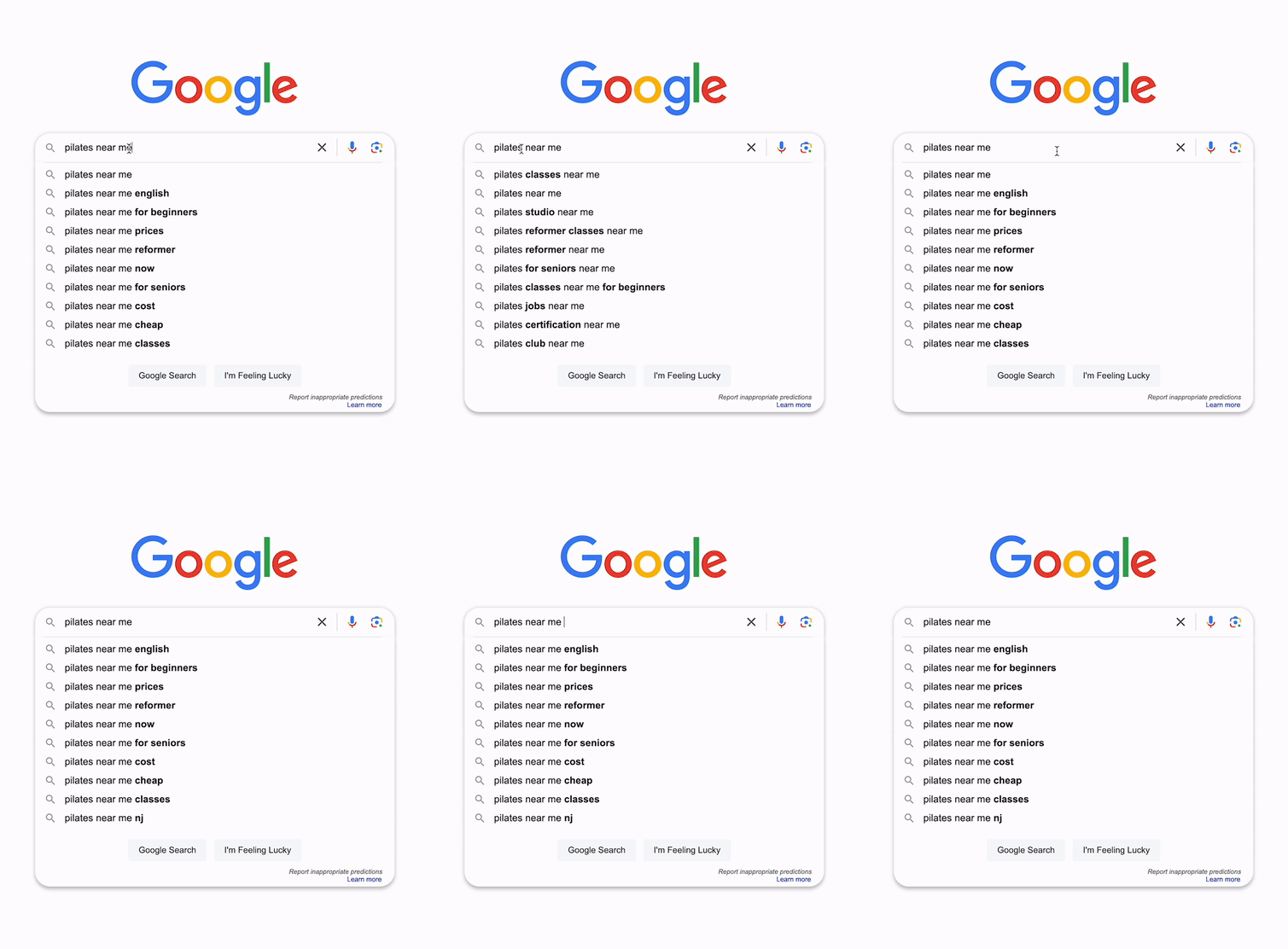
- Google autocompletes
These suggestions come from real user searches, not guesses.
Example:
Typing “how to start a blog” may show:
- how to start a blog for free
- how to start a blog and make money
- how to start a blog in 2025
Each suggestion is a potential keyword because these keywords are frequently searched in internet.
Step 3: Analyze the Top 10 Google Results (Most Important Step)
This is where most beginners skip – and fail. Always research the top rank website of a particular keyword, it helps you to gain an idea how it works. Follow that website who already ranked with these types of keywords that helps you better.
For every keyword, check:
- Who is ranking?
- Are they big authority websites?
- Is the content detailed or shallow?
Signs of low competition:
- Forums ranking (Quora, Reddit)
- Small personal blogs
- Weak or outdated articles
- Poorly structured content
If the page is full of big brands → skip the keyword.
Step 4: Use Free Keyword Tools (Beginner-Friendly)
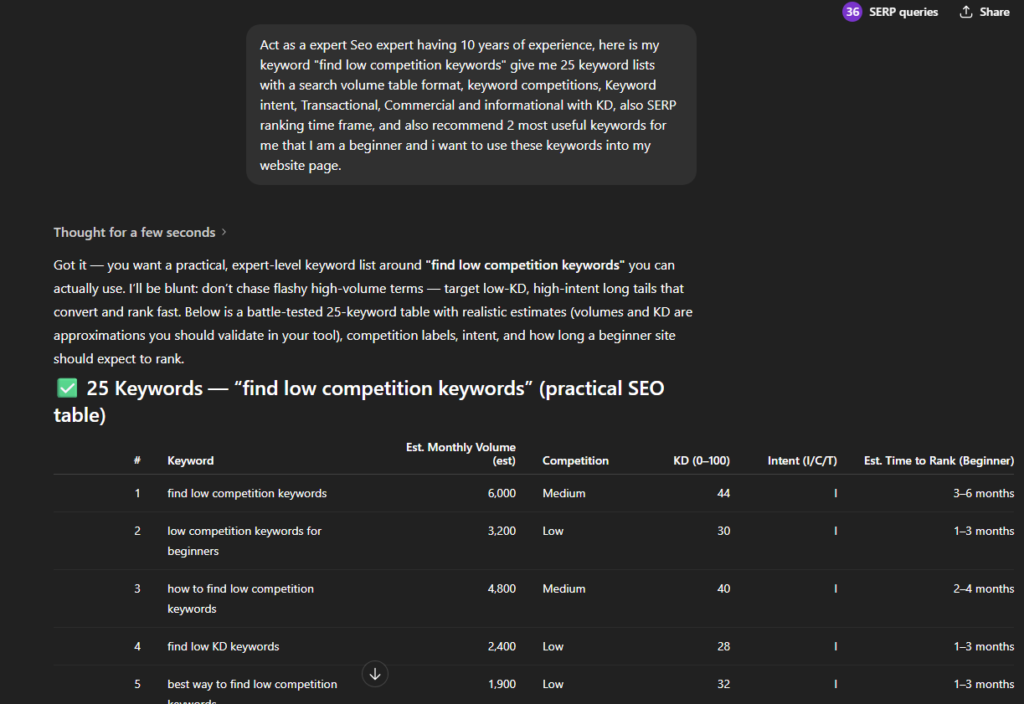
You do not need paid tools in the beginning. I personally use Google Keyword Planner that gives real and valuables keywords without paying a single penny.
Useful free tools:
- Google Keyword Planner
- Ubersuggest (limited version)
- SEMrush (5 Free searches/day)
- AnswerThePublic
- Keyword Surfer (browser extension)
- ChatGPT
Look for keywords with:
- Clear intent
- Long-tail structure
- Low to medium competition
Volume matters less than rank ability. My recommendation is Go with Google Keyword Planner, its free and very useful.
SEMrush is also a powerful and most popular tool but it is paid, you can use it for 5 free times daily.
Tools like ChatGPT can support keyword research and content planning, but smart keyword selection is still the foundation.
Step 5: Focus on Long-Tail Keywords (Ranking Shortcut)
Start with Long-tail keywords that usually contain 3–6 words.
For Examples:
- how to find low competition keywords for beginners
- how to write seo friendly blog posts
- how to start freelancing online with no experience
They:
- Are easier to rank
- Have clear intent
- Convert better
For new blogs, long-tail keywords are survival tools.
Step 6: Check Search Intent (Often Ignored)
Before finalizing a keyword, Check:
“What does the searcher want?”
Types of intent:
- Informational (learn)
- Commercial (compare)
- Transactional (buy)
Your content must match intent exactly, or Google will ignore it.
Step 7: Build Keyword Clusters (Authority Signal)
Do not target only one keyword per topic. Choose one Primary Focus keyword with one or two secondary keyword.
Instead of:
- Choosing one primary keyword
- Add 3–5 supporting keywords
- Answer related questions
Multiple keywords support each other, this helps you write topically complete content, which Google prefers.
🔍 REAL EXAMPLE - Finding a Low Competition Keyword (Step by Step)
Let’s do this practically.
For example, Seed keyword is: blog traffic
Google suggestions show:
- blog traffic for beginners
- how to get blog traffic without ads
- free blog traffic methods
Choose one:
how to get blog traffic without ads
Then SERP check:
- Forums ranking
- Medium-quality blogs
- No big brands dominating
Final Verdict:
✔ Clear intent
✔ Long-tail
✔ Beginner-friendly
This is a low competition keyword worth targeting.
This is exactly how you should choose keywords every time.
What Beginners Should NOT Target (Very Important)
Avoid these keywords in your first year:
- “Make money online”
- “SEO”
- “blogging” (single word)
- “Digital marketing”
Why?
- Extremely competitive
- Big brands dominate
- Low chance of ranking
Instead, narrow them:
- how to make money online as a beginner
- SEO tips for new blogs
Specific beats broad – always.
Many side hustle blogs fail because they target highly competitive keywords instead of focusing on realistic opportunities.
Common Keyword Research Mistakes Beginners Make
Beginners must be avoiding these mistakes:
- Chasing high search volume
- Ignoring competition
- Using only tools, not Google
- Targeting multiple intents in one post
- Waiting for “perfect” keywords
SEO rewards action and consistency, not perfection.
Why Low Competition Keywords Build Long-Term Authority
When you rank for many low competition keywords:
- Google trusts your site more
- New content ranks faster
- Higher competition keywords become possible later
This is how small blogs grow into authority sites. So long tail keyword is the game changer for beginners, start with it and later go for the short tails.
Day 16
Once your blog starts ranking for low competition keywords, free promotion strategies help amplify that traffic naturally.
FAQs - Low Competition Keywords
- How many low competition keywords should I target per post?
One main keyword with 3–5 related keywords is ideal.
- Can low competition keywords really bring traffic?
Yes. Multiple small rankings create stable traffic over time.
- Should beginners ignore search volume?
No, but competition matters more than volume early on.
- How long does it take to rank for low competition keywords?
Usually 1–3 months, depending on content quality and consistency.
- Do I need paid SEO tools?
No. Google search + free tools are enough for beginners.
Keyword research is not luck – it is a repeatable skill. If you consistently target low competition keywords and publish helpful content, SEO becomes predictable and powerful.
Which keyword is you planning to target next?
Comment below and I’ll give you honest feedback.

 350+ Blog Guides Published


5 Comments
[…] chances of getting organic traffic. If you’re unsure where to start, check out our guide on how to find low competition keywords to discover ranking opportunities […]
[…] For deeper understanding, check this How to Find Low Competition Keywords (Beginner-Friendly, Practical SEO Guide for 2026) […]
[…] you want to learn this process in detail, it’s important to understand how to find low competition keywords, which helps bloggers rank more […]
[…] how to find low competition keywords is the fastest way for new blogs to gain early traction in search […]
[…] how to find low competition keywords can completely change your blog’s growth speed as a […]