Table of Contents
ToggleIntroduction - Why Online Courses Still Work in 2026?
An Online course is very demanding now because of its structure, durability, and time management. You can learn your online course at any time, from any place, without the classroom headache.
Many beginners think:
- “Online courses are saturated”
- “Only famous people can sell courses”
- “I need expert-level knowledge”
All three beliefs are wrong.
You can easily sell your experience that has market demand and is valuable to your customers through online courses.
In 2026, people don’t buy courses because of hype –
They buy them because they want clear solutions to specific problems.
If you know one thing better than a beginner, you can create and sell an online course. What matters is clarity, structure, and trust, not perfection.
In this guide, you’ll learn how to create online course and sell step by step, explained in simple English, without technical confusion or unrealistic promises.
If you are interested to create an online course then, start by understanding niche clarity, Download My Free Niche Selection Workbook (Simple, beginner-friendly, and practical)
Benefits of Creating an Online Course

The Best benefit of online course is making it one time and sell it even if you are sleeping at night. Before learning the steps, understand why online courses are powerful.
Creating an online course allows you to:
- Package your knowledge once and sell repeatedly
- Build authority in your niche
- Create scalable income
- Help people at scale
- Reduce dependence on freelancing hours
Courses turn experience into an asset, not just time-based income. You can make your experience into courses and earn from it anytime, anywhere.
Creating and selling an online course becomes much easier when you choose a niche that already has clear demand and paying audiences.
Online Course vs Freelancing vs Coaching (Clear Comparison)
Model | Income Type | Scalability | Time Dependency |
Freelancing | Per project | Low | High |
Coaching | Per client | Medium | Medium |
Online Course | Per sale | High | Low |
Online courses work best when combined with:
- Blogging
- Email lists
- Social media
Step 1: Choose the Right Course Topic (Most Important)
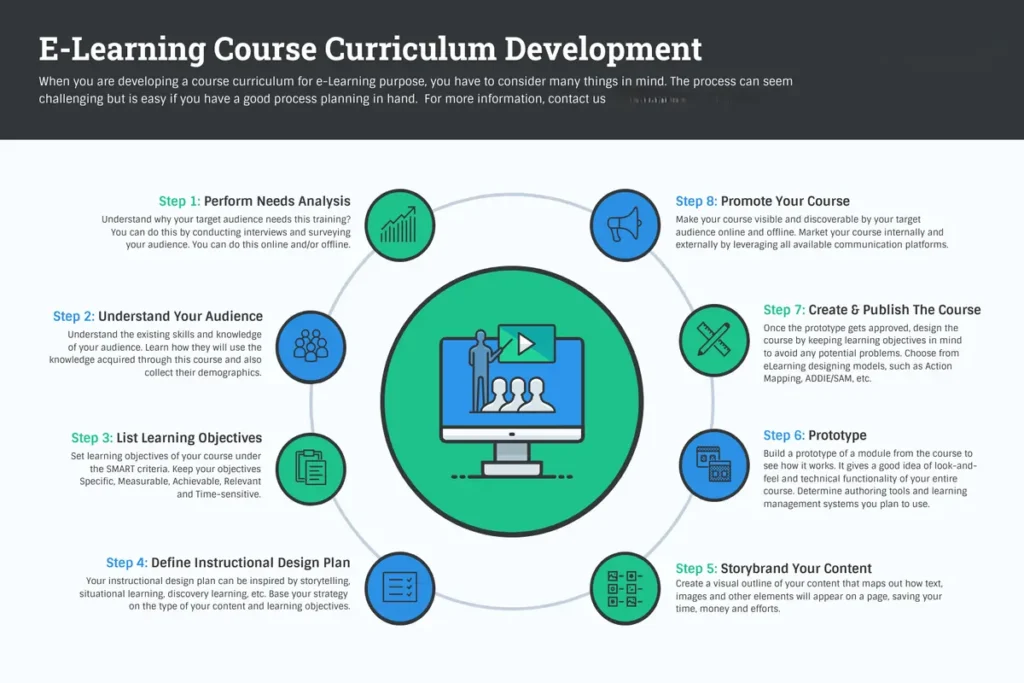
This step decides success or failure. You have to choose the right topic based on your interest and experience; this gives you enjoyment as well as money.
A good course topic:
- Solves one clear problem
- Targets beginners or intermediates
- Has proven demand
Good course topic examples:
- How to start blogging
- How to get freelance clients
- How to manage Instagram content
- How to use a tool effectively
Avoid broad topics like:
❌ “Digital marketing complete guide”
Instead, narrow it:
✅ “Instagram content strategy for small businesses”
Many course creators use blogs to attract targeted traffic that later converts into course buyers organically.
Step 2: Validate Your Course Idea (Don’t Skip This)
You should never create a course by blindly following someone else. It’s more beneficial to conduct market research first and then create courses based on what people want.
Simple validation methods:
- Check common questions in your niche
- Look at Quora, Reddit, YouTube comments
- Ask your audience directly
- See what people already pay for
If people ask a lot of questions about the same topic, it means that topic is in demand, so focusing on a topic that’s in demand is the perfect approach.
Step 3: Decide the Course Outcome (Student Transformation)
Nobody buys just content; they buy the value that the content delivers and the results it produces.
A course means studying, and mostly students do the studying, so ask yourself, what benefit will students get after this course?
Targeting students is more beneficial in terms of course enrolment.
Examples:
- Launch a blog
- Get first freelance client
- Create Instagram content consistently
Your course should always deliver the perfect value and result that it promises.
Step 4: Structure Your Online Course (Simple Framework)
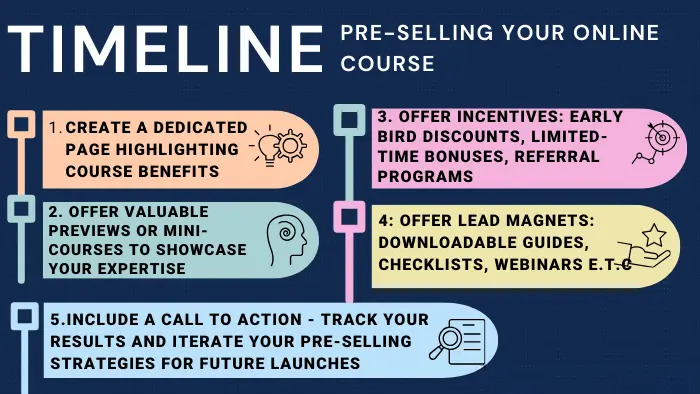
A simple course structure is more beneficial and works best because it’s less complicated than a fancy one.
Some Recommended structure:
- Introduction & mindset
- Basics & foundation
- Step-by-step process
- Tools & examples
- Common mistakes
- Next steps
You should always keep the content short but effective instead of long, because people don’t have much time these days, so they look for more value in less time.
Step 5: Create Course Content (Simple, Not Fancy)
You don’t need an expensive setup to create course content at the start.
Either do not need:
❌ Studio setup
❌ Expensive camera
❌ Perfect editing
Only need:
- Clear voice
- Screen recording or simple video
- Practical explanation
Many successful courses are:
- Screen-based
- Simple slides + voice
- Real demonstrations
In my opinion The content should have clarity, which is the most important thing.
Step 6: Choose a Platform to Host Your Course
There should also be a platform for hosting the course online.
There are some Beginner-friendly platforms:
- Gumroad
- Teachable
- Podia
- Thinkific
Choose a platform that:
- Handles payments
- Delivers content
- Is easy to manage
Don’t focus too much on the tools; concentrate on creating the best content, and everything else will come with experience.
As per my experience Social platforms like Instagram help create awareness and drive traffic toward your online course without paid ads.
Step 7: Price Your Online Course Correctly
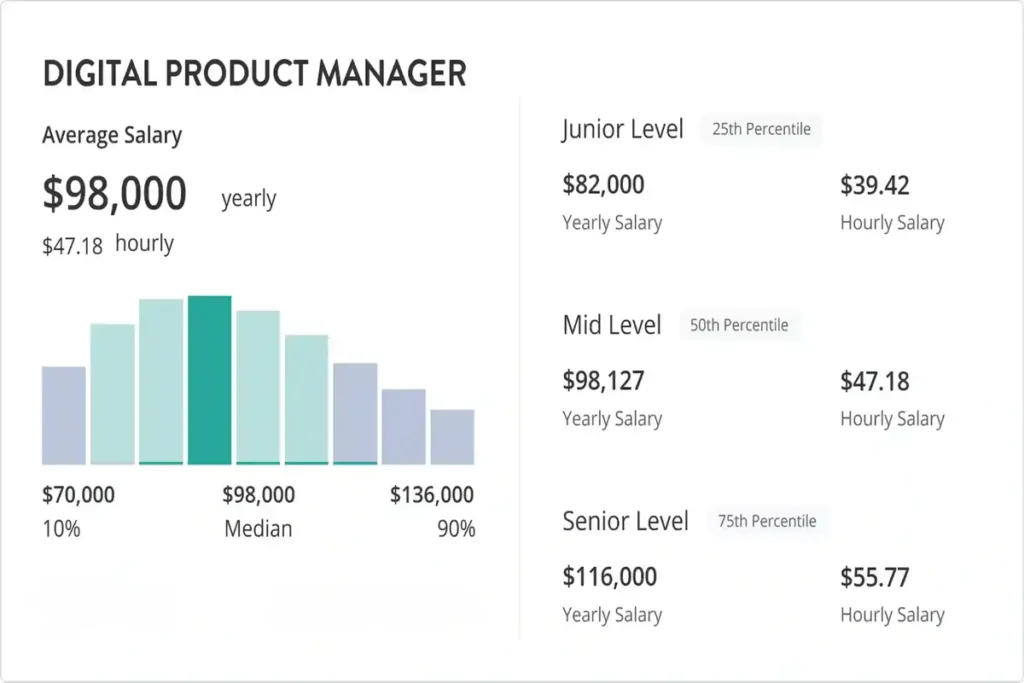
Pricing always affects the psychology of the readers’ minds.
Beginner pricing strategy:
- ₹999 – ₹2999 for beginner courses
- Increase price with results & testimonials
You should avoid:
❌ Pricing too low (no value perception)
❌ Pricing too high without authority
Pricing always reflects confidence and clarity.
Low prices make the content seem less valuable, while high prices can be off-putting.
Therefore, paying attention to pricing is crucial.
Step 8: How to Sell an Online Course (Practical Methods)
Creating and hosting the course is only half the job; the real work is selling it.
Ways to sell your online course:
- Blog posts
- Email list
- Instagram content
- YouTube videos
- Free webinars
Selling works when:
- Audience trusts you
- Problem is clearly explained
- Solution feels natural
Make the course content compelling, and sales will happen automatically.
An email list plays a critical role in selling online courses because it builds trust before asking for a purchase.
Common Mistakes Course Creators Make
Beginner course creators make a lot of mistakes, so you should keep these mistakes in mind so that you don’t repeat them.
Avoid these beginner mistakes:
- Creating courses before validation
- Teaching too many things at one time
- Over-editing content
- Expecting instant sales
- Ignoring feedback
Online courses succeed with perfection, not by luck.
How Online Courses Fit into Long-Term Income
Online courses work best if they are done with a system:
- Write Blog for traffic
- Then create an email list for trust
- After your experience, turn it into a course for income
Many creators start with:
- Freelancing
- Blogging
Then convert experience into courses.
So, you also need to follow this system so that you can achieve success like the others.
Online courses are one of the most scalable side hustles because they turn knowledge into repeatable income.
Not sure what topic you should create a course on? Download My Free Niche Selection Workbook (It helps you choose a topic people actually pay for.)
FAQs - Create and Sell an Online Course
- Can beginners really create an online course?
Yes. Beginners teach beginners best because they understand problems clearly.
- How long does it take to create a course?
A simple course can be created in 2–4 weeks.
- Do I need a big audience to sell a course?
No. Even a small, targeted audience can generate sales.
- What format works best for courses?
Short videos with practical explanations work best.
- Is selling online courses still profitable?
Yes. Demand for structured learning is growing every year.
Online courses are not about being the best – they are about being clear and helpful. If you solve one problem well, people will happily pay for it.
💬 What topic are you thinking of creating a course on?
Comment below, and I’ll give you honest feedback.