Table of Contents
ToggleIntroduction - Why Hosting Choice Matters More Than You Think
When most beginners start a blog, they see hosting as a boring technical step.
They think:
- “Any hosting will work.”
- “I’ll just buy the cheapest one.”
- “I can fix it later.”
This mindset causes many early blogging problems:
- Slow-loading websites
- Frequent downtime
- Confusing dashboards
- Wasted money on upgrades
In reality, hosting is the foundation of your entire blog.
It affects:
- Page speed
- SEO performance
- User experience
- Site stability
- Future scalability
Choosing the best hosting for bloggers is not about buying the most expensive plan. It’s about choosing something stable, simple, and suitable for your current stage.
My Experience explains everything in this guide in simple, beginner-friendly language so that you can make the right decision without technical confusion.
Hosting is one of the first technical decisions you make when starting a blog, so choosing the right setup early prevents many future problems.
If you are interested for buy hosting, then start by understanding niche clarity. Download My Free Niche Selection Workbook (Simple, beginner-friendly, and practical)
Benefits of Choosing the Right Hosting Early
Good hosting doesn’t just make your site work – it makes your blogging journey easier.
When you choose the right hosting from the beginning, you:
- Avoid slow-loading pages
- Reduce technical problems
- Improve user experience
- Support better SEO signals
- Focus more on content, not server issues
On the other hand, bad hosting creates constant friction.
Even good content struggles to rank if the site is slow or unstable.
Think of hosting like the foundation of a house.
If the base is weak, everything above it becomes unstable.
I am giving you the right and perfect Hosting for you, “Hottinger”, the perfect, best and user-friendly hosting. Try it, your all solution is here.
Your hosting choice also depends on your niche, because different niches attract different types of traffic and growth patterns.
Types of Web Hosting Explained (Beginner Level)
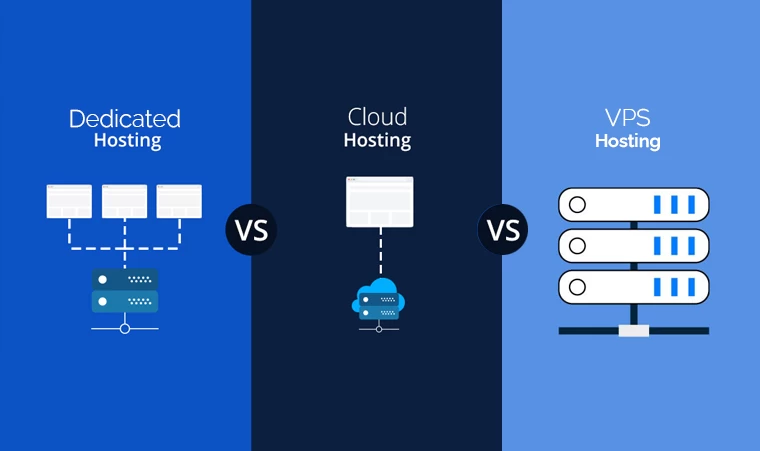
Before choosing a hosting company, you must understand the basic hosting types.
This removes 80% of confusion.
1. Shared Hosting (Best for Beginners)
Shared hosting means your website shares server space with other websites.
Pros:
- Very affordable
- Easy to manage
- Beginner-friendly dashboards
Cons:
- Limited resources
- Slower during high traffic
Best for:
- New blogs
- Low traffic sites
- First 6–12 months of blogging
For most beginners, shared hosting is more than enough.
2. Cloud Hosting (For Growing Blogs)
Cloud hosting uses multiple servers instead of one.
Pros:
- Better speed
- More stability
- Handles traffic spikes
Cons:
- Slightly more expensive
- More complex than shared hosting
Best for:
- Blogs with growing traffic
- Sites earning money
You don’t need this on Day 1.
3. VPS Hosting (Not for Beginners)
VPS gives you a virtual private server.
Pros:
- Dedicated resources
- Better control
Cons:
- Requires technical knowledge
- More expensive
As per my experience, it is not recommended for beginners.
4. Managed WordPress Hosting (Premium Option)
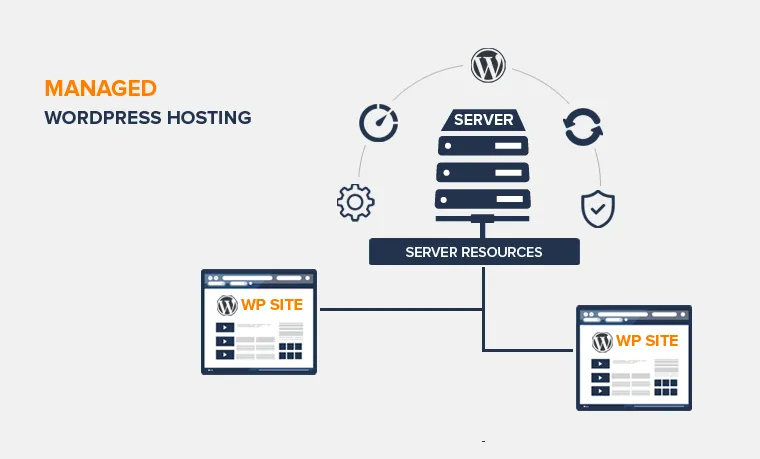
This hosting is optimised only for WordPress. Hottinger is the best example of this.
Pros:
- Faster performance
- Automatic updates
- Security features
Cons:
- Higher price
- Overkill for new bloggers
Best used when:
- Your blog earns a steady income
- Traffic becomes consistent
You can experience Hottinger by clicking here (80% off through this link)
What Bloggers Actually Need in Hosting (Reality vs Marketing)
Hosting companies love to advertise:
- Unlimited storage
- Unlimited bandwidth
- Unlimited websites
But beginners don’t need all that.
A new blogger only needs:
- Stable uptime
- Decent loading speed
- Easy WordPress installation
- Simple dashboard
- Reliable support
You do not need:
- Advanced server settings
- Developer-level tools
- Expensive add-ons
In my opinion, you should start simple. Upgrade when growth demands it.
A stable hosting setup also supports email list growth, because fast and reliable websites convert visitors into subscribers more effectively.
Key Features to Look for in the Best Web Hosting for Beginners
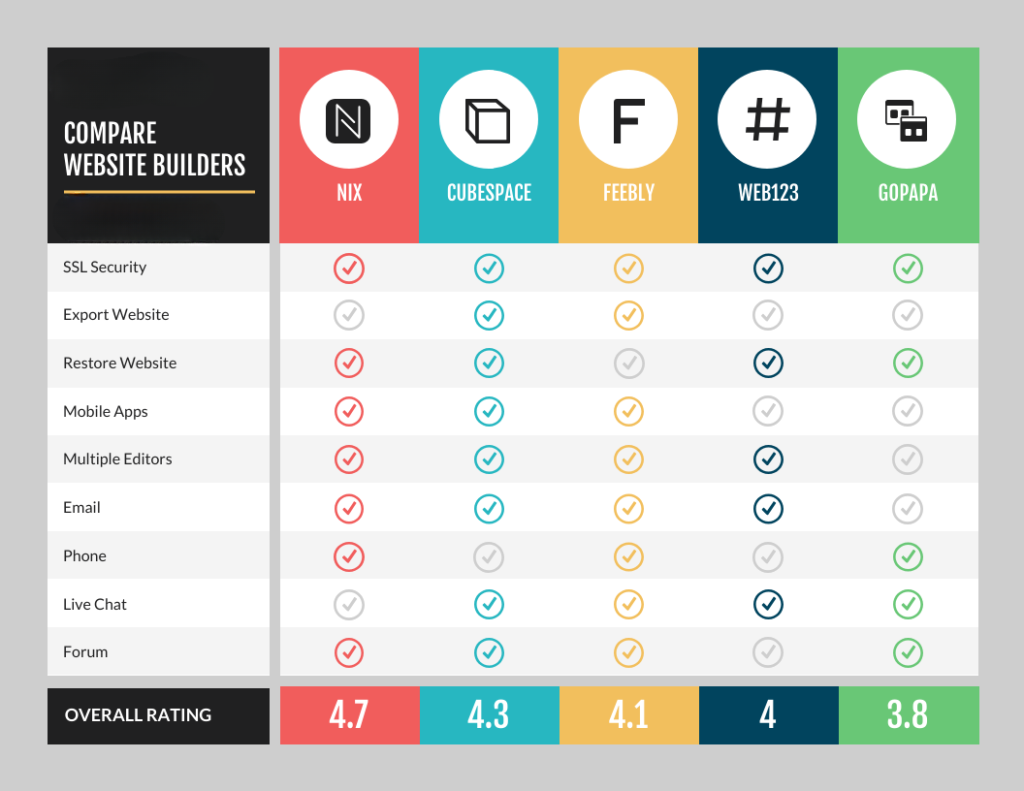
When choosing the best web hosting for beginners, focus on practical features.
✔ Speed & Performance
Look for:
- SSD storage
- Basic caching
- Server near your audience
Speed affects:
- SEO rankings
- Bounce rate
- User experience
✔ Uptime Reliability
Choose hosting that promises:
- 99.9% uptime
- Stable infrastructure
Downtime leads to:
- Lost traffic
- Lost trust
- Lower rankings
✔ WordPress Compatibility
Beginner hosting should include:
- One-click WordPress install
- Automatic updates
- Simple control panel
This saves time and prevents mistakes.
I have been using Hottinger for a long time; this is a very easy and useful web hosting.
You must try it if you are a WordPress user.
✔ Customer Support (Very Important)

As a beginner, you will have questions.
Good hosting should offer:
- 24/7 support
- Live chat or ticket system
- Fast responses
Support quality often matters more than server specs.
Pricing Reality - What Beginners Should Actually Spend
Many beginners either:
- Overspend out of fear
or - Buy the cheapest plan and suffer later
Here’s the practical rule:
For a beginner blog:
- Start with a basic shared hosting plan
- Choose yearly billing if affordable
- Ignore unnecessary add-ons
What matters most is:
- Renewal price
- Stability
- Support quality
Cheap hosting with consistent content is far more powerful than expensive hosting with no content.
A Real Beginner Scenario (Simple Example)
If a new blogger starts a website.
They Should:
- Buy basic shared hosting
- Post 2–3 articles per week
- Traffic slowly increases over 6 months
After a year:
- The site gets regular visitors
- Pages load slower during traffic spikes
Now is the right time to:
- Upgrade to cloud hosting
- Improve performance
This is the natural growth path.
Not the “buy expensive hosting on Day 1” path.
Common Hosting Mistakes Beginners Make
A beginner is always afraid of making mistakes. If you can avoid these mistakes, you will save both time and effort.
Avoid these mistakes:
- Buying the most expensive plan immediately
- Choosing hosting only because influencers promote it
- Ignoring renewal prices
- Buying unnecessary add-ons
- Switching hosting repeatedly
Hosting is a foundational decision.
Change only when your blog actually grows.
Hosting & SEO - What’s the Real Connection?
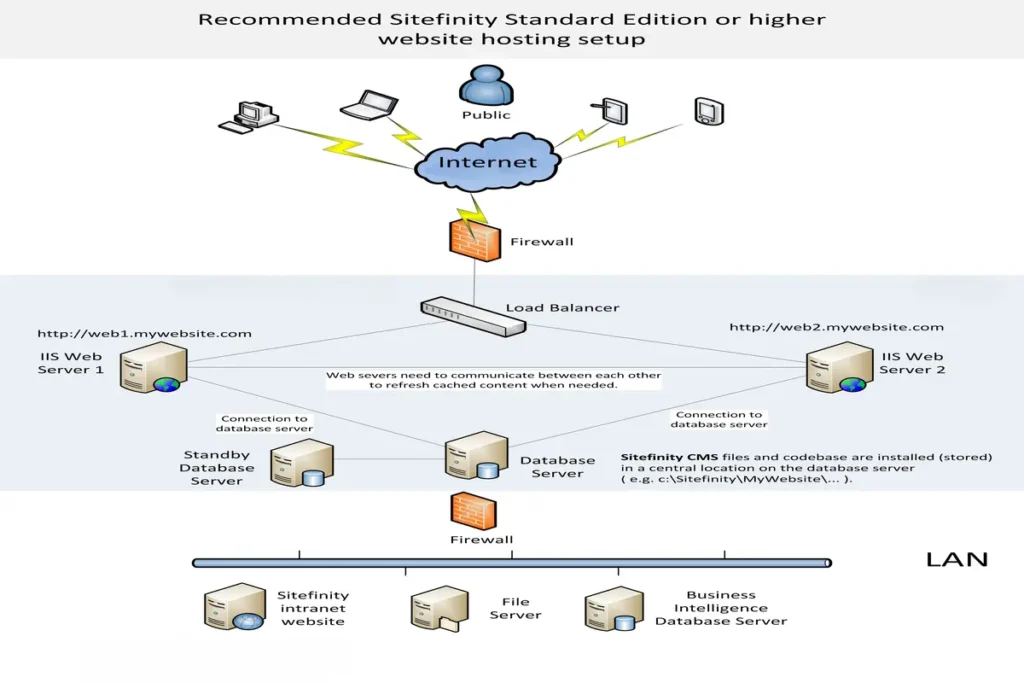
It does not directly improve rankings.
But bad hosting:
- Slows down pages
- Causes downtime
- Hurts user experience
Google notices these signals.
Good hosting helps by:
- Improving load times
- Reducing bounce rates
- Keeping the site stable
So, hosting supports SEO indirectly but powerfully.
When Should You Upgrade Hosting?
Upgrade only when:
- Traffic grows consistently
- Pages feel slow
- Hosting limits performance
Do not upgrade because:
- Someone on YouTube said so
- You feel your site isn’t “professional” enough
Growth should trigger upgrades – not fear.
As your traffic grows through free promotion strategies, your hosting may eventually need to scale with your audience.
Hosting as Part of a Long-Term Blogging System
Hosting alone does not make money.
A blog grows through this system:
Content → Traffic → Trust → Income
Hosting supports:
- Speed
- Stability
- Scalability
But content is still the real driver.
Many bloggers eventually earn income by recommending hosting through affiliate programs once their audience trusts their advice.
Still confused about niche, hosting, and blogging decisions? Download My Free Niche Selection Workbook (It helps you build your blog step by step with clarity.)
FAQs - Best Hosting for Bloggers
- Which hosting is best for beginner bloggers?
Shared hosting is the best option for beginners starting a new blog.
- Is free hosting good for blogging?
Free hosting has many limitations and is not recommended for long-term growth.
- Does hosting affect SEO directly?
No, but poor hosting negatively affects speed and user experience, which impacts SEO.
- Should I choose monthly or yearly hosting?
Yearly plans are cheaper, but choose what fits your budget.
- Can I change hosting later?
Yes, but frequent switching is not recommended.
Choosing hosting is not about finding the “best company” – it’s about choosing the right foundation for your current stage. Start simple, focus on content, and upgrade only when your blog actually grows.
💬 Which hosting is you using or planning to choose?
Comment below – I’ll guide you honestly.